Child Development
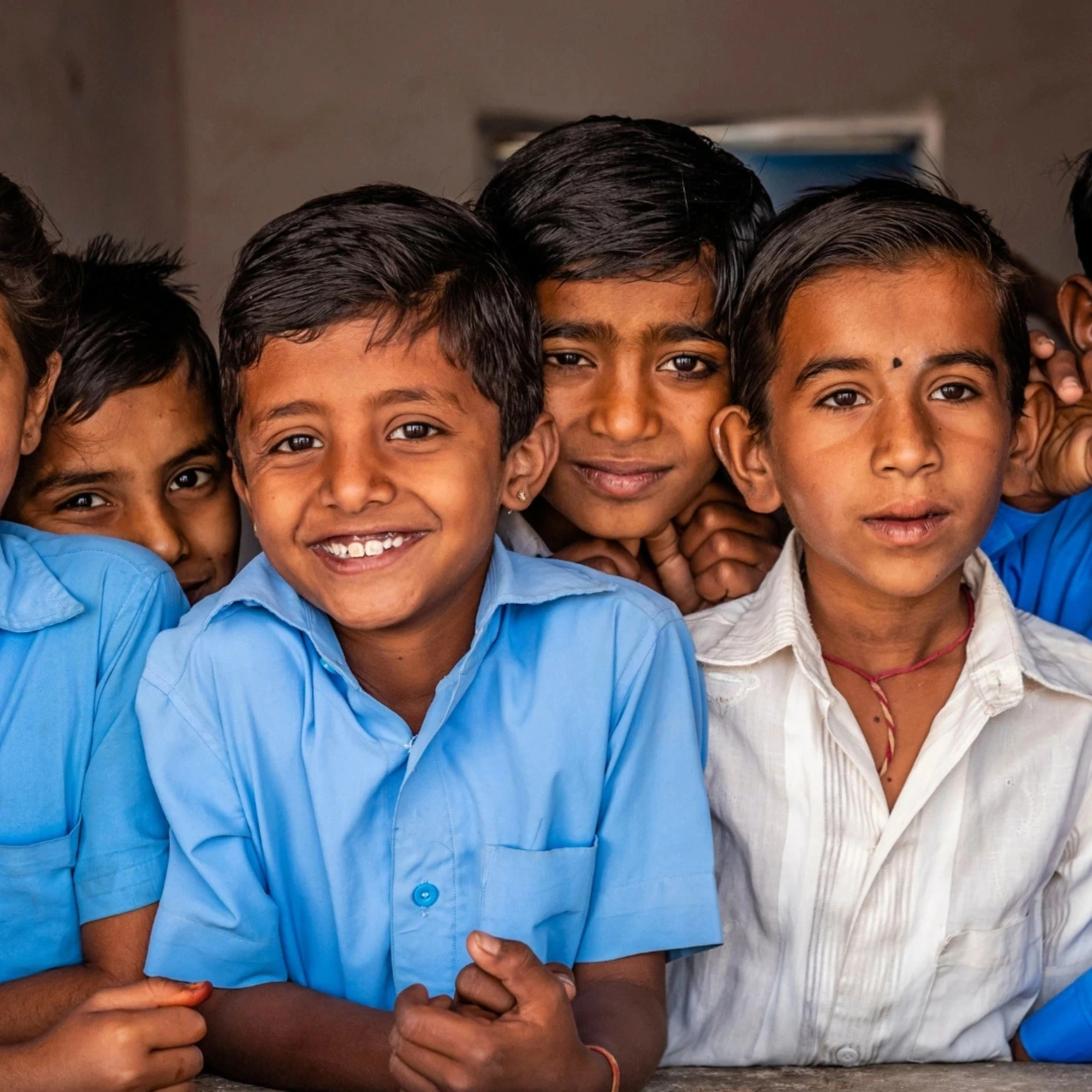
At NIRPHAD, children are at the heart of every initiative. We believe that the true measure of a community’s progress lies in how well it nurtures its youngest members. In many rural and marginalized families, however, children are the most vulnerable—often pulled into child labor, deprived of education, and exposed to malnutrition and poor healthcare. NIRPHAD’s Child Development programs are designed to protect childhood, nurture potential, and secure brighter futures.
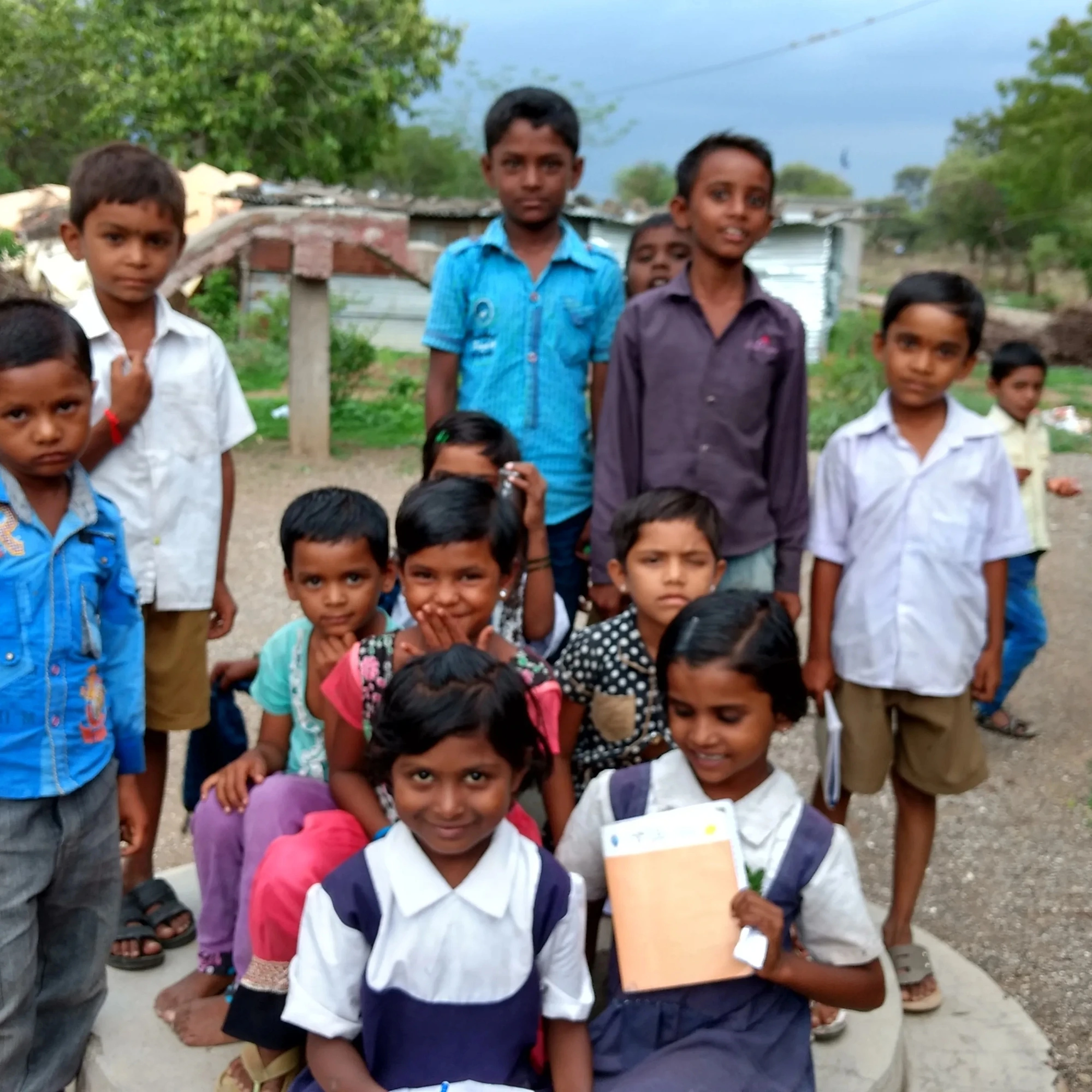
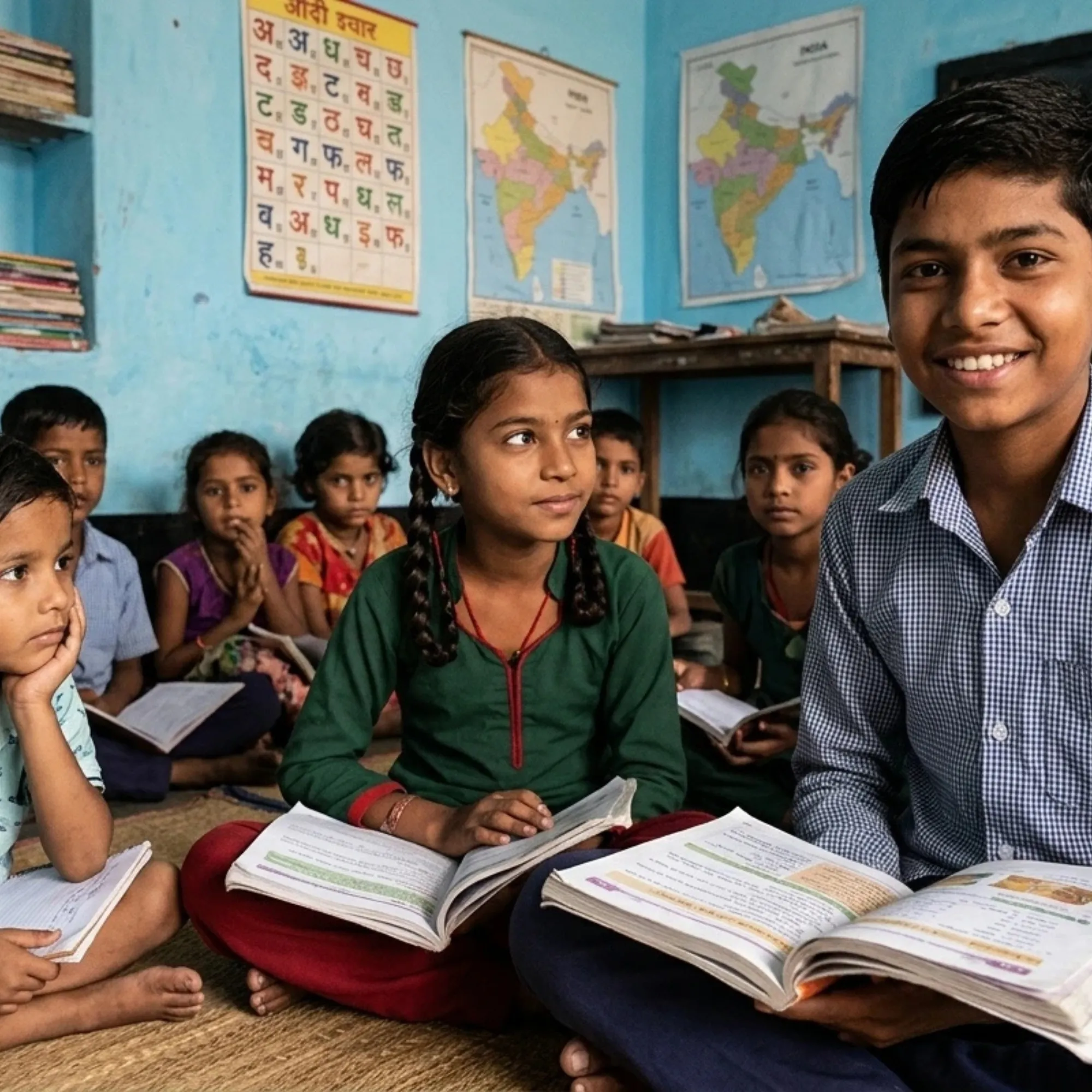
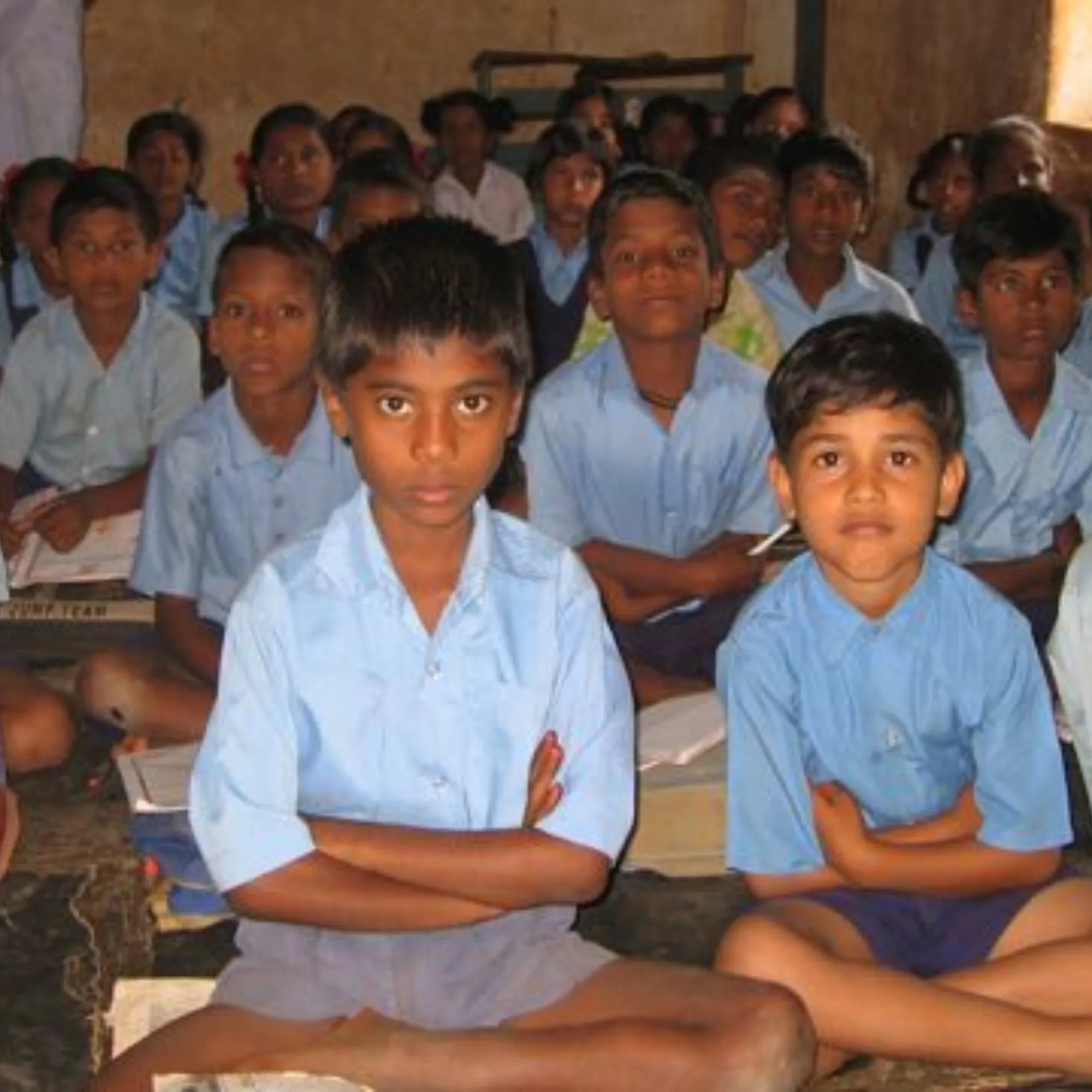
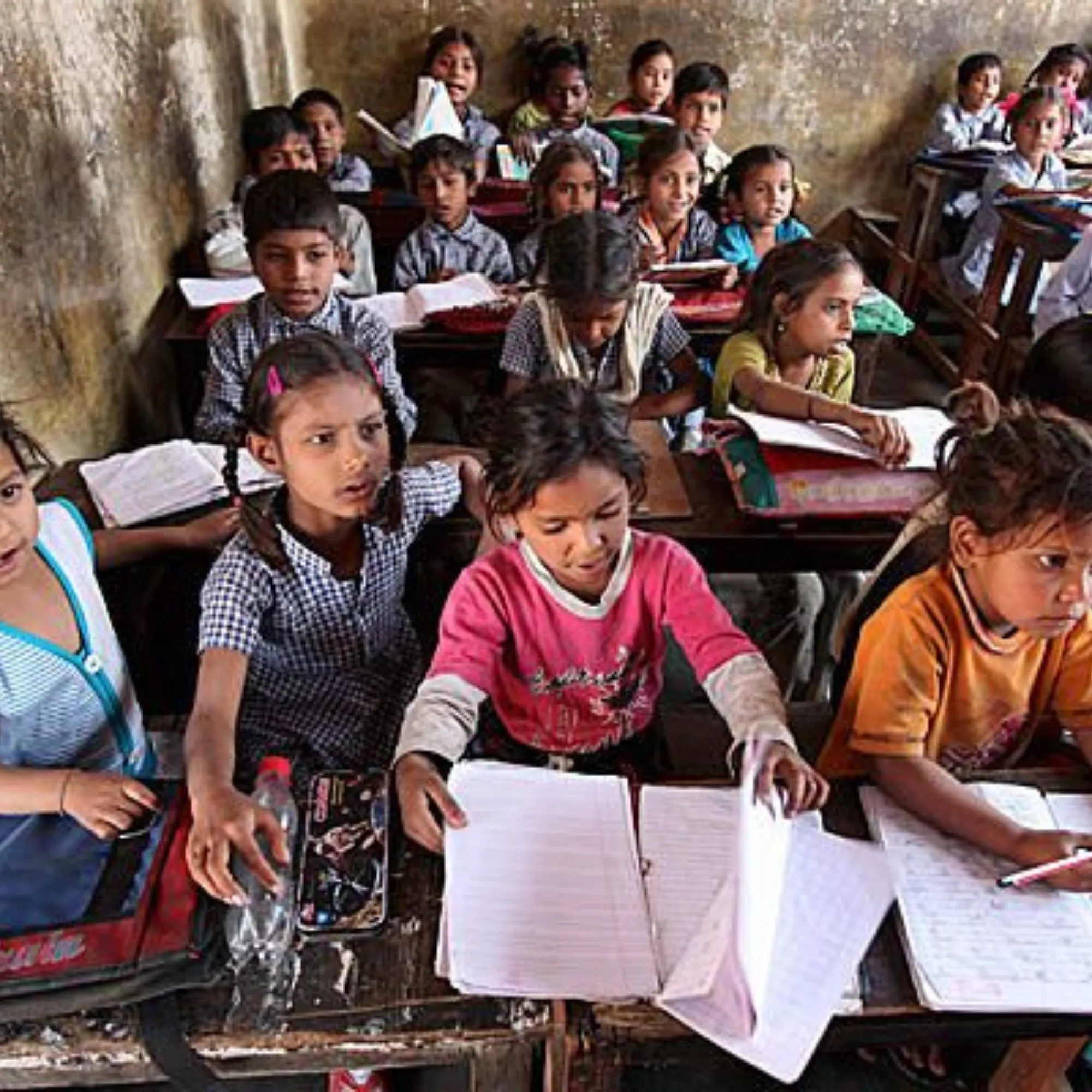
Our interventions begin with the belief that every child has the right to education, healthcare, safety, and a joyful childhood. To ensure this, NIRPHAD runs programs that enroll out-of-school children back into classrooms, supports children with disabilities through inclusive education, and strengthens schools to provide quality learning. By working with teachers, Anganwadi workers, and parents, we create an environment where children not only go to school but also thrive in learning and creativity.
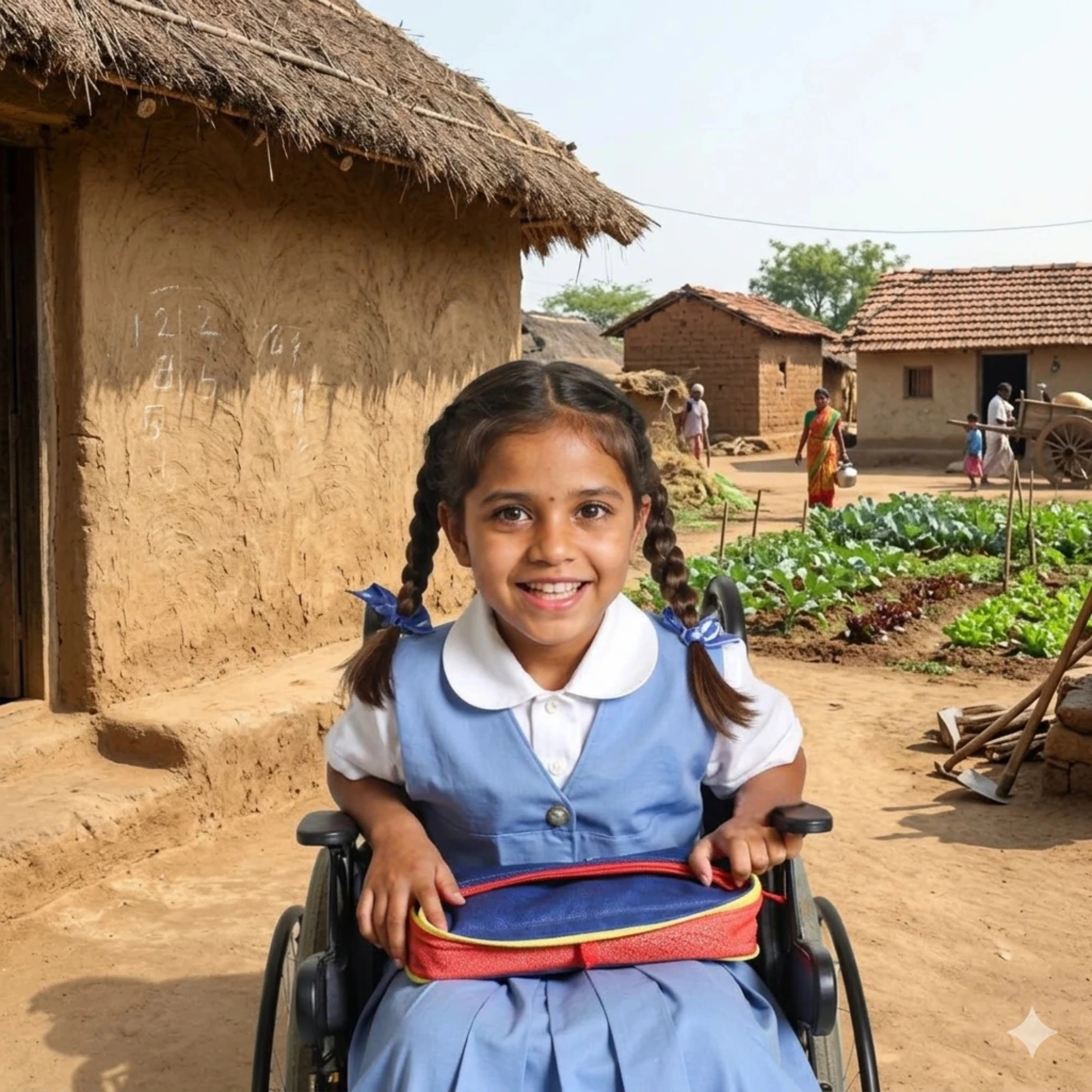
Special attention is given to children with disabilities, who often face double discrimination—first due to poverty, and second due to physical or intellectual challenges. NIRPHAD provides home-based education, supports enrollment in special schools, develops customized teaching-learning materials, and offers counseling for children with intellectual disabilities. These efforts ensure that no child is left behind, and that every child can participate meaningfully in society.
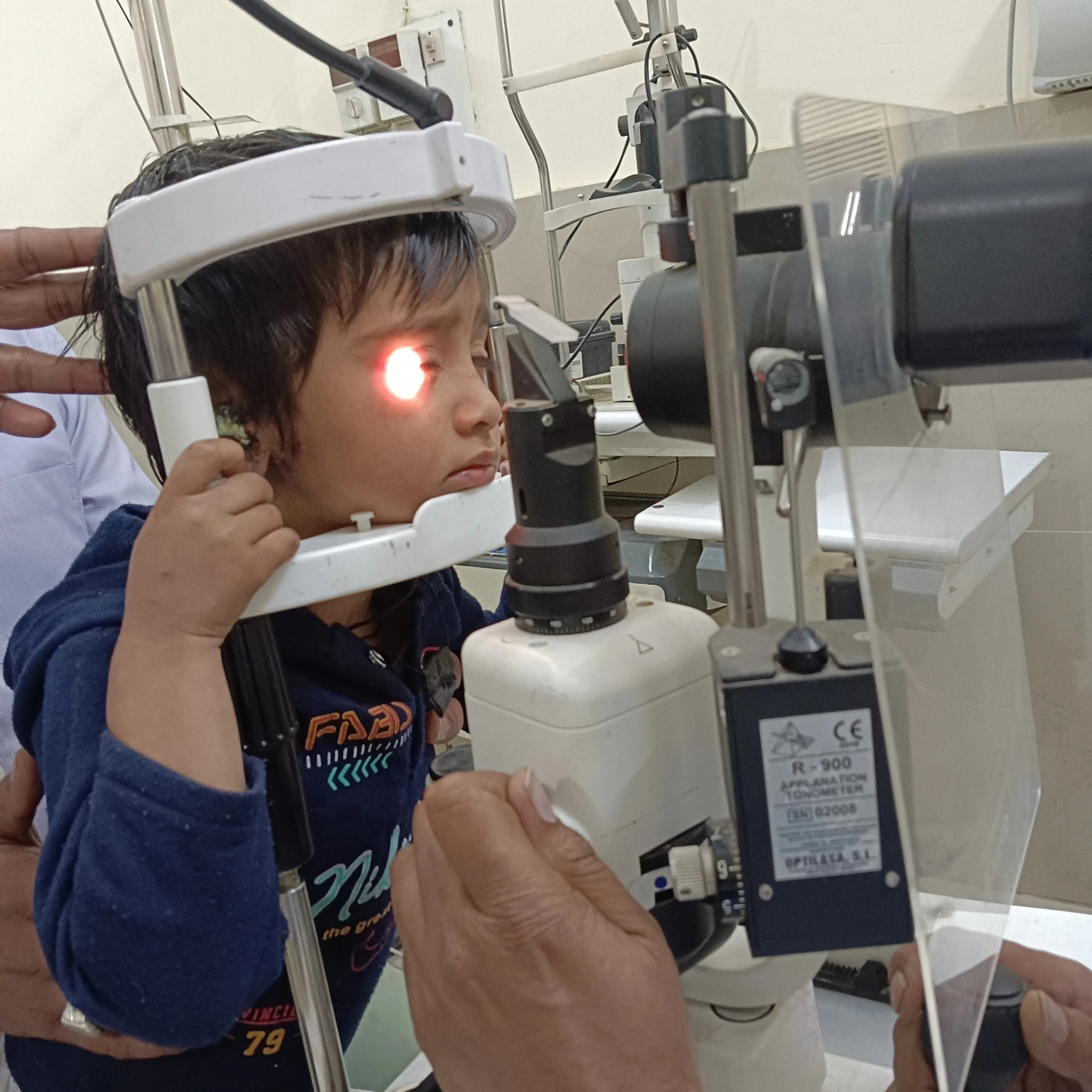
Beyond education, NIRPHAD focuses on health, nutrition, and emotional well-being. Nutrition gardens (Poshan Vatika) and awareness programs ensure children get access to healthy food, while health camps and screenings provide early detection of vision, hearing, and developmental issues. We also work with families to build awareness about hygiene, sanitation, and preventive healthcare, because a healthy child is better equipped to learn and grow.
Another key aspect of our child development work is leadership and participation. NIRPHAD facilitates the formation of Child Parliaments and adolescent groups, where children learn to express their opinions, understand their rights, and practice decision-making. These platforms empower children to take responsibility for their surroundings, raise issues affecting them, and become leaders in their communities. Exposure visits, picnics, and cultural activities further build their confidence, observation skills, and leadership abilities.
Through all these initiatives, NIRPHAD is not only protecting children from child labor, exploitation, and neglect but is also ensuring that they grow up with the skills, values, and opportunities to become changemakers of tomorrow. Parents and communities, too, are involved at every step, because a child can truly flourish only in a supportive and nurturing environment.
The impact has been remarkable. Hundreds of drop-out children have returned to school, children with disabilities are receiving education and care, and child leaders are voicing their opinions in village forums. For NIRPHAD, child development is not a program—it is a promise: a promise that every child, regardless of background or ability, will get the chance to learn, grow, and shine.
Education
Education is the foundation of opportunity. Yet, for many children in rural India, the classroom remains a distant dream. Poverty, lack of facilities, long travel distances, and family responsibilities force thousands of children—especially girls—to drop out of school or never enroll at all. Without education, the cycle of poverty continues from one generation to the next.
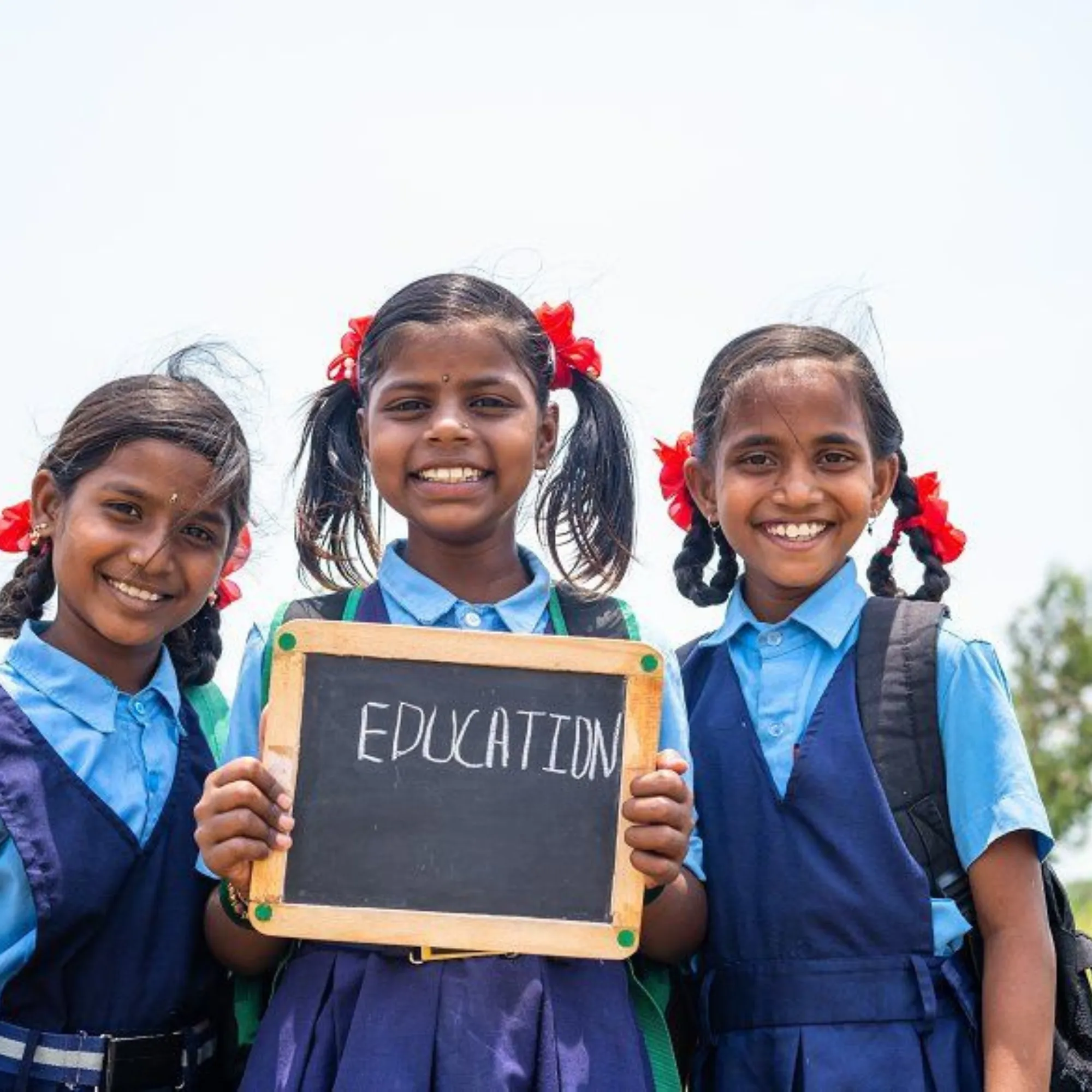
At NIRPHAD, we believe that every child deserves the right to learn, grow, and dream. Education is not just about reading and writing—it is about shaping confident, curious individuals who can participate fully in society. That is why our programs focus on both formal and non-formal education, ensuring that no child or adult is left behind.
We work with schools, parents, and communities to strengthen the entire ecosystem of learning. Our initiatives include:
- Supporting rural schools with better infrastructure and teaching resources.
- Organizing bridge courses and remedial education for children who have dropped out.
- Running adult literacy programs, particularly for women, so they too can read, write, and manage finances.
- Training teachers and creating awareness workshops to improve the quality of education.
- Providing scholarships and learning materials for underprivileged children.
- Ensuring that girls, who are often the first to be denied schooling, have equal opportunities to study and succeed.
NIRPHAD also integrates education with health, nutrition, and awareness programs so that children not only study but thrive in safe, nurturing environments. Through initiatives like Poshan Vatikas (nutrition gardens) in schools and villages, we ensure children have access to healthy food that supports learning and development.
The impact of education is transformative. A child who learns to read and write carries hope into their family. A girl who finishes her schooling inspires her siblings and challenges social norms. An adult who learns to sign their name feels dignity and independence for the first time. Each classroom becomes a seedbed of change.
For us, education is not charity—it is justice. It is the key that unlocks the doors of self-reliance, equality, and opportunity. At NIRPHAD, we are committed to ensuring that the light of learning reaches every home, every family, and every village we serve.