Sustainable Agriculture
Agriculture is the backbone of rural life, but in today’s world, traditional practices alone cannot meet the challenges of poverty, food insecurity, and climate change. NIRPHAD works with farmers to promote sustainable, eco-friendly, and resilient farming methods that not only ensure better yields but also protect natural resources for future generations.
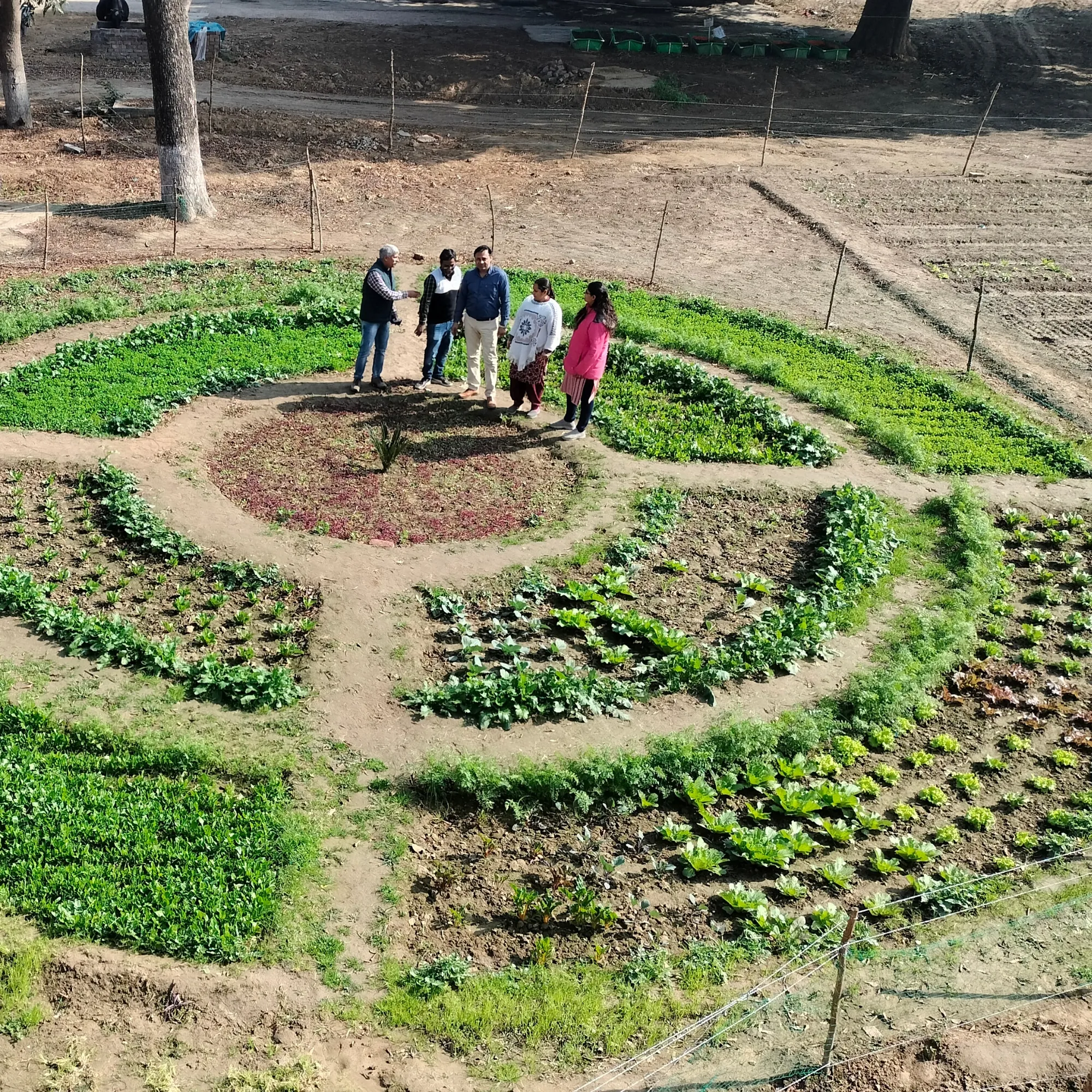
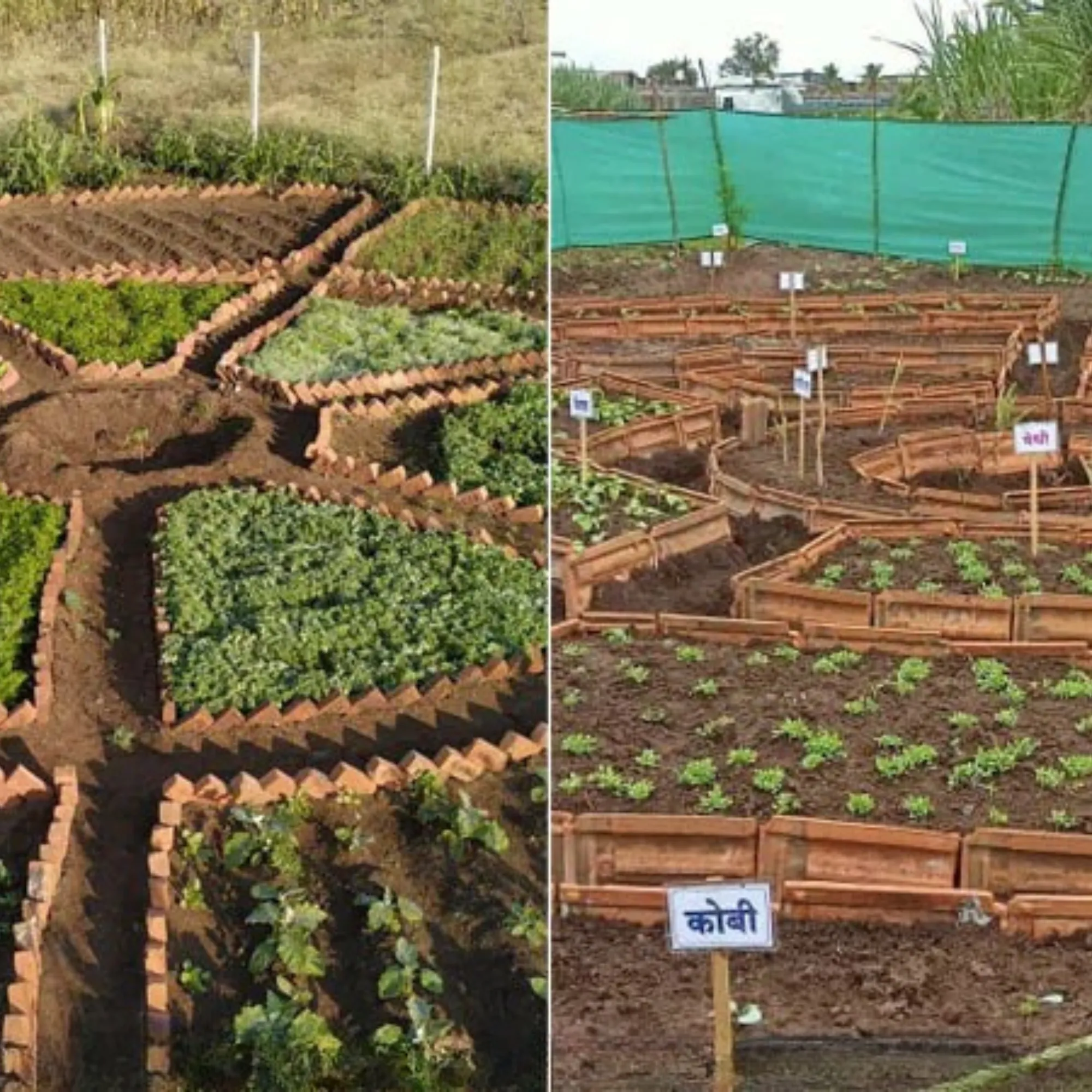
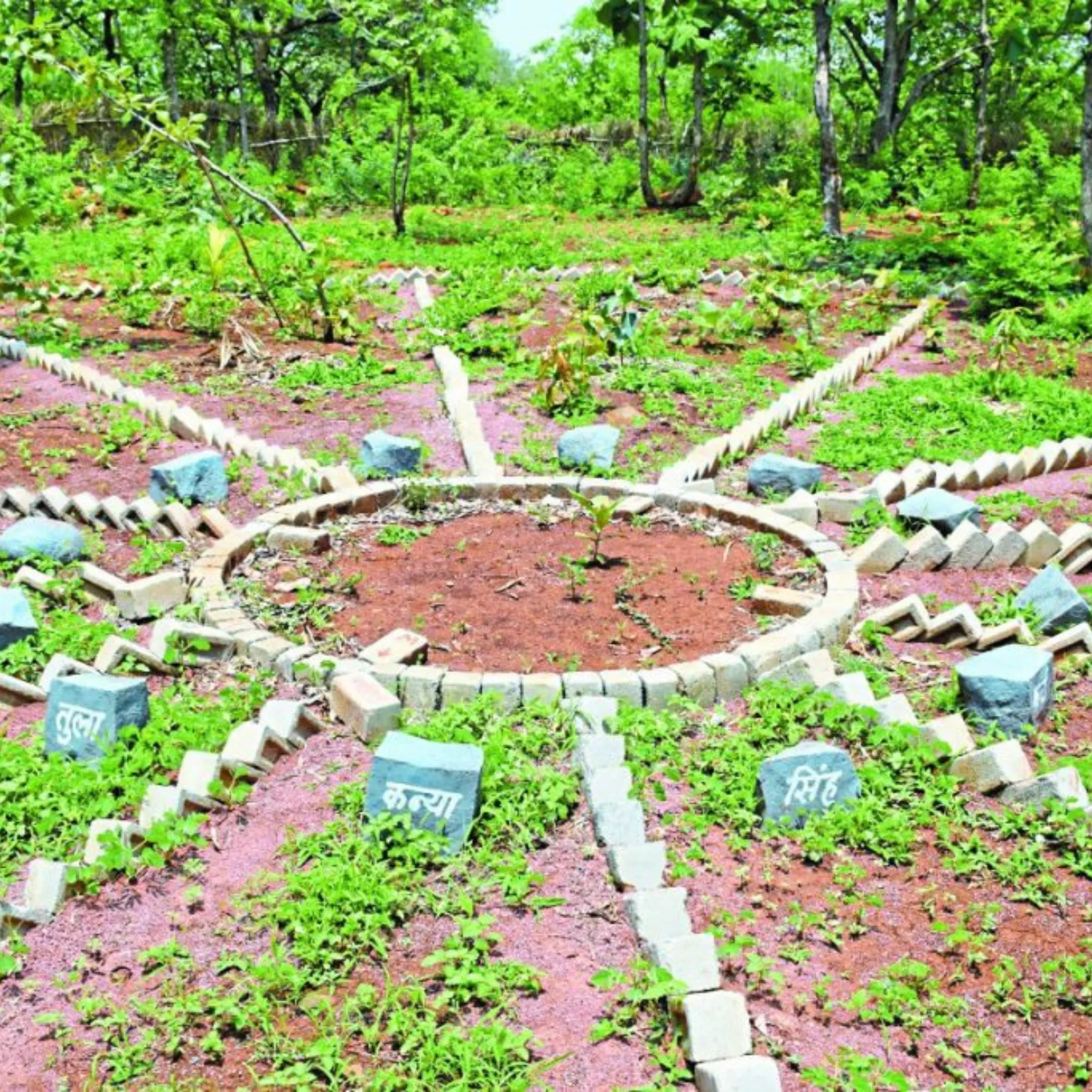
We train farmers in organic farming techniques, compost preparation, crop diversification, water management, and soil health improvement. Through Poshan Vatikas (nutrition gardens), families grow vegetables and fruits in their backyards, improving food security and family nutrition. Farmers are also supported to adopt modern practices such as polyhouse vegetable cultivation, mushroom farming, and agroforestry, which open up new income streams.
By reducing dependency on chemical fertilizers and pesticides, and instead promoting organic manure and bio-inputs, NIRPHAD ensures healthier crops, safer food, and reduced input costs. Collective farming models and community-based seed banks further help farmers secure resources, while training in market linkages enables them to sell their produce at fair prices.
Sustainable agriculture is not only about farming—it is about empowering rural families with food, income, and dignity, while also healing the land they depend on.
Modern Agricultural Practices
The NIRPHAD project areas have gradually started shifting from the age-old practices to modern agricultural practices. These practices have now reached a certain level of competence NIRPHAD has demonstrated the use of the thresher for 62 families and tractor leveler for families. The main emphasis is on sustainable agriculture. NIRPHAD made a following demonstration unit are:
- 52 Goat Farming demonstration unit
- 36 Dairy Farming
- 12 Poultry demonstration unit
- 08 Mushroom demonstration unit
- 482 Organic manure
- 56 Nursery under Net House
- 5 Polly House
- 356 Machan Farming
- 126 TulshiKanti Mala