Sustainable Livelihood
For rural families, livelihood is more than just earning a living—it is about dignity, security, and the ability to provide for the future. NIRPHAD has always recognized that poverty in rural India is not simply a lack of income, but a cycle of dependence, lack of opportunities, and unequal access to resources. Our livelihood programs are therefore designed not only to create jobs, but to build self-reliance, resilience, and prosperity in rural households.
At the core of this initiative are Self-Help Groups (SHGs), especially for women. By coming together in groups, women gain access to savings, credit, and mutual support. These SHGs act as small engines of local development—helping women start small businesses, access bank loans, and negotiate better opportunities for their families. What once started as small savings groups have today evolved into platforms of empowerment, where women confidently handle finances, invest in income-generating activities, and contribute to the household economy.
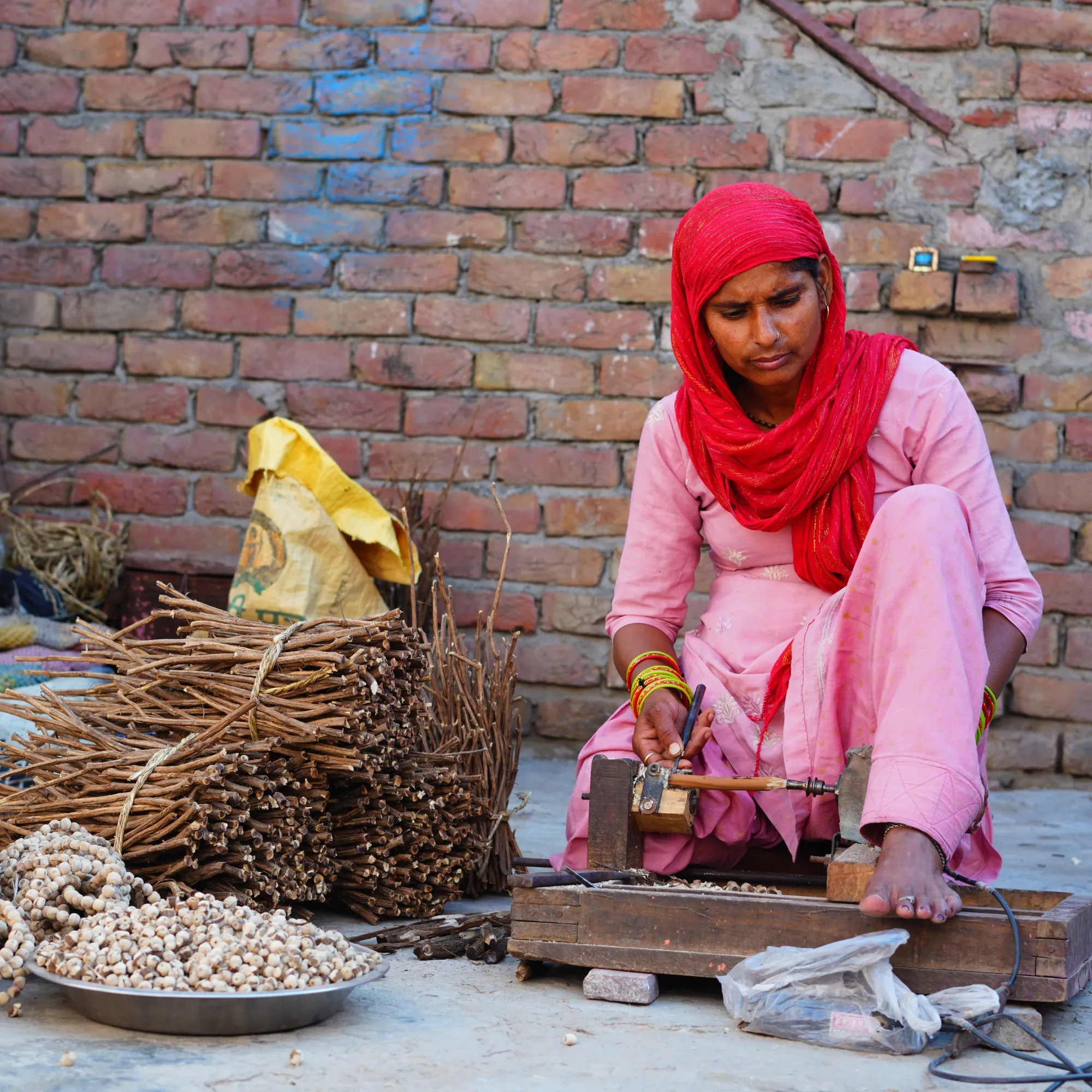
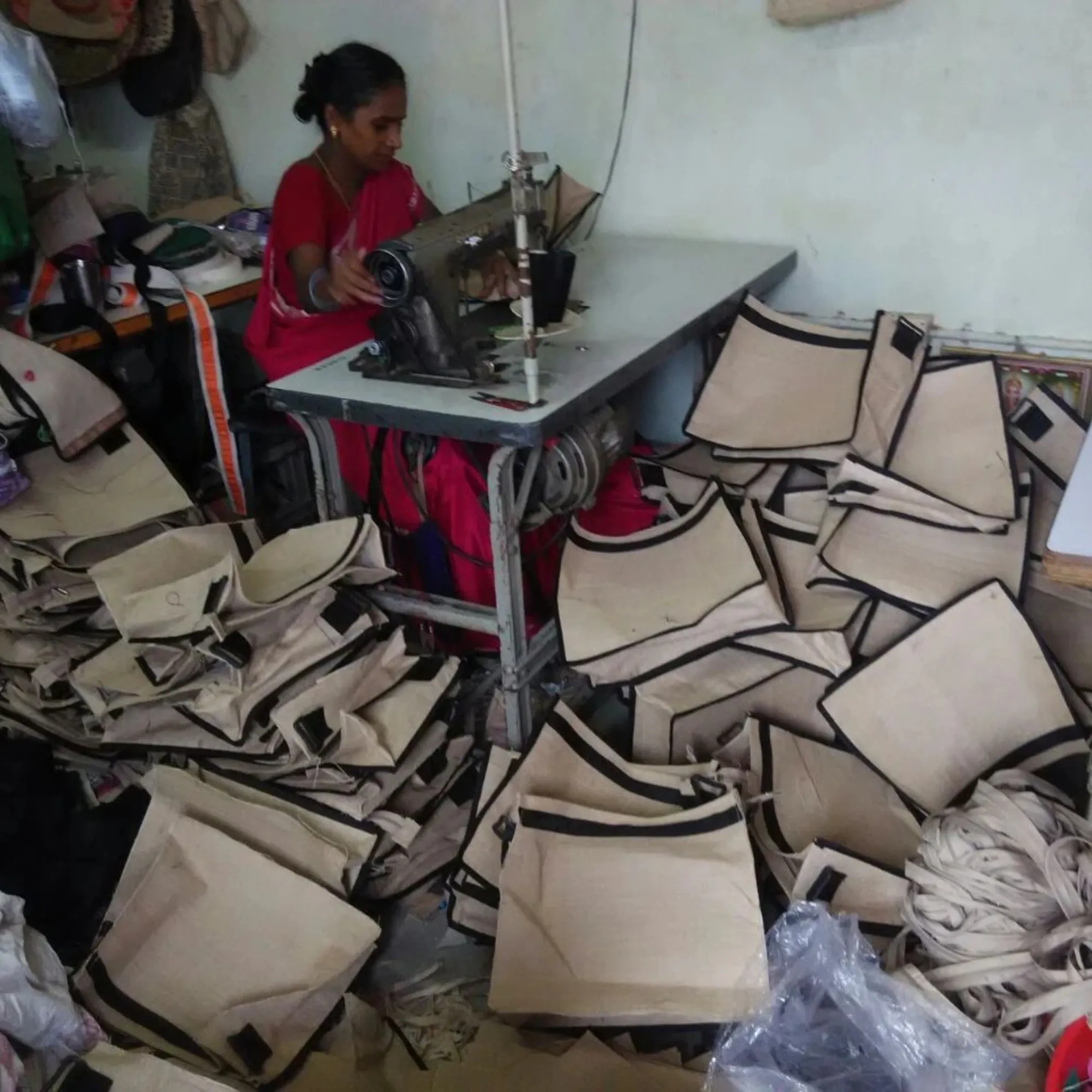
NIRPHAD also places strong emphasis on skill development and vocational training. Training centers across villages provide hands-on learning in sewing, weaving, embroidery, jute bag making, dairy farming, poultry, stone carving, hand printing, carpet weaving, organic manure preparation, vegetable cultivation in polyhouses, and even basic computer skills. These trainings open doors for unemployed youth, women, and marginalized groups to acquire employable skills and either find work or set up their own small enterprises. The impact is visible—families once dependent on daily wages are now supplementing their income with home-based businesses and new skills.
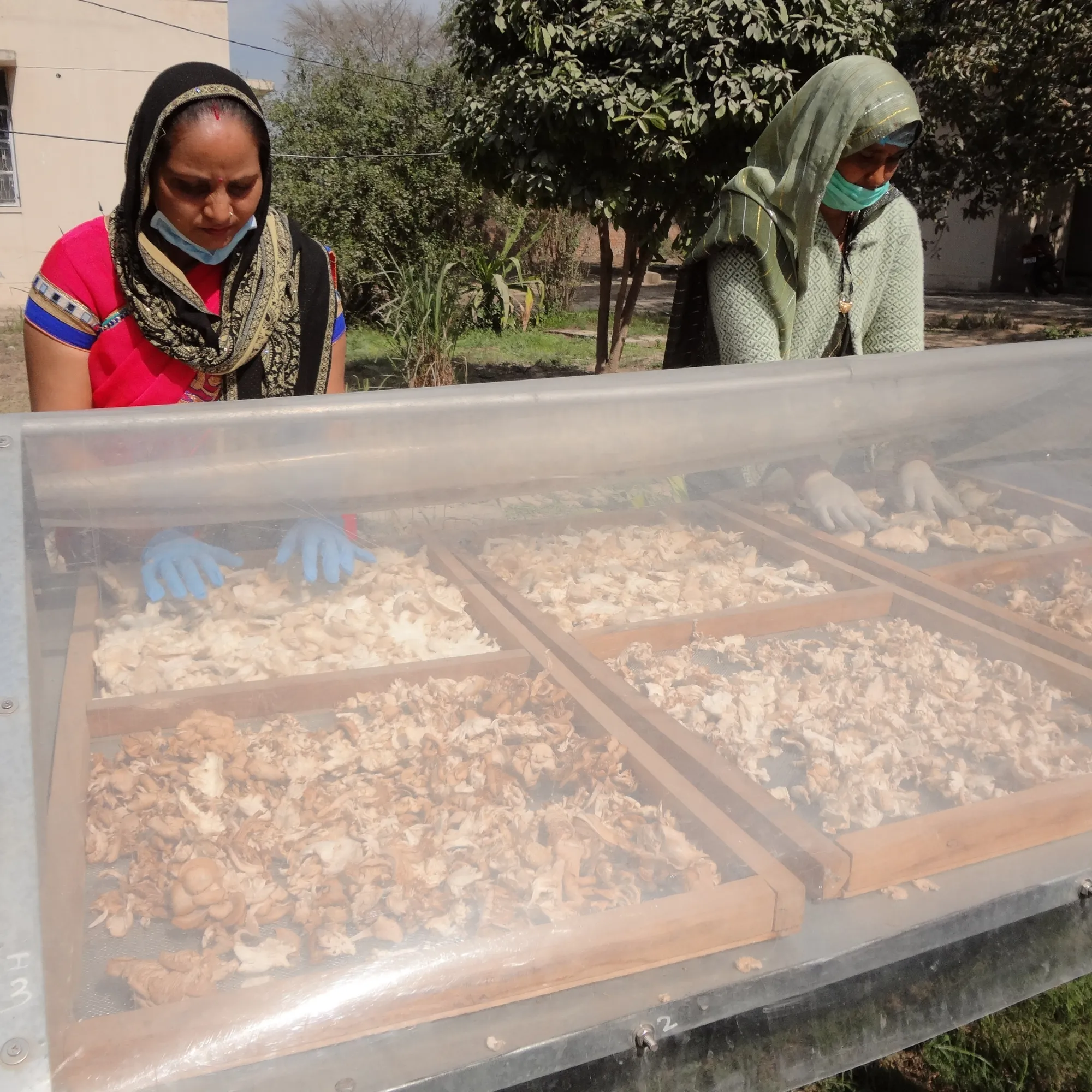
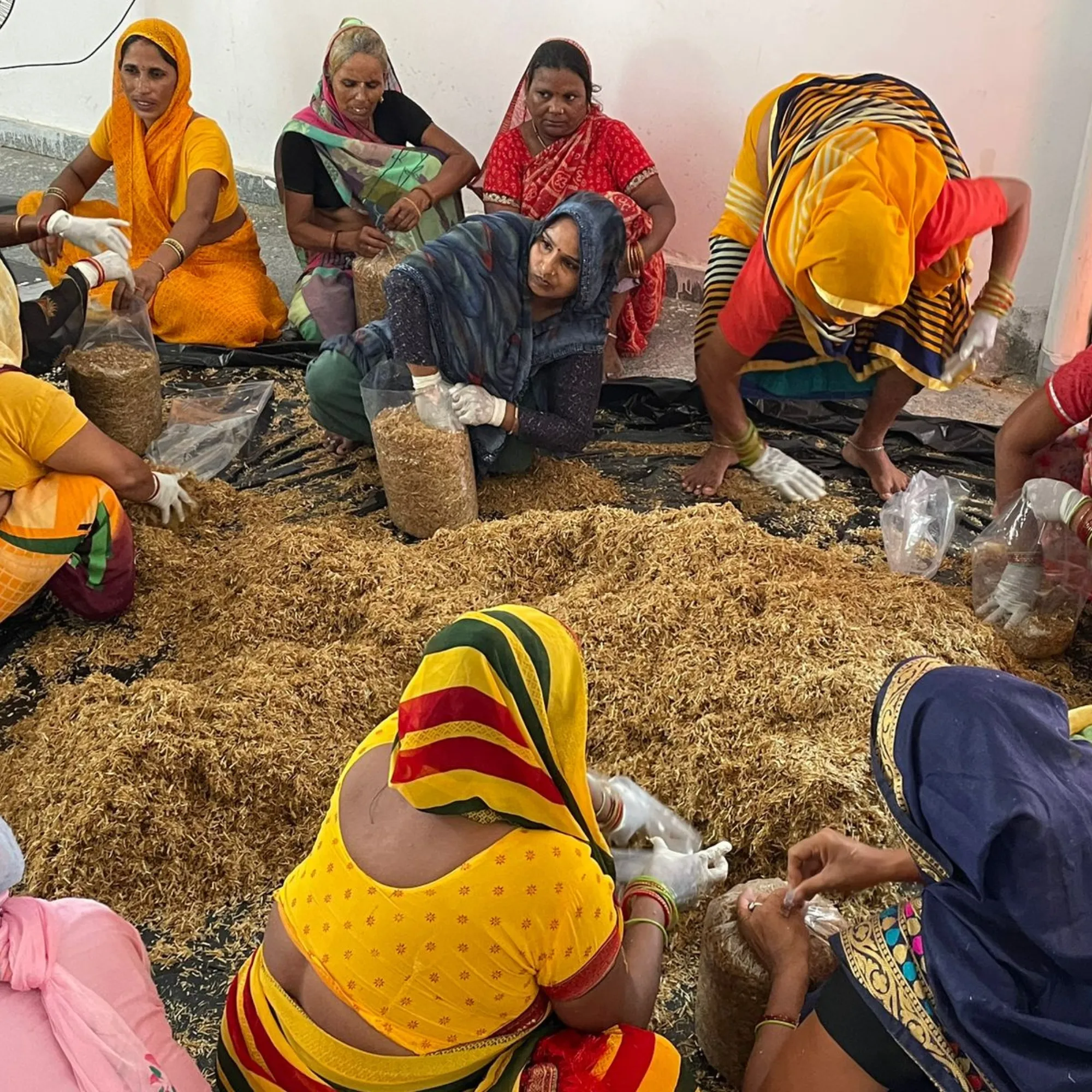
In addition to skill training, NIRPHAD works on strengthening the rural economy through sustainable agriculture and climate-resilient practices. Farmers are encouraged and supported to adopt organic farming, efficient water use, compost preparation, and diversification into allied activities like mushroom cultivation, dairy, and horticulture. This not only ensures better income but also creates resilience against climate change, erratic rainfall, and soil degradation. Women farmers, in particular, are being trained in kitchen gardening and Poshan Vatika (nutrition gardens), ensuring both food security and improved family nutrition.
Livelihood development at NIRPHAD is not just about income—it is about restoring confidence among the poor and marginalized. When a woman earns from selling dairy products, when a youth finds employment through vocational training, or when a farmer successfully shifts to organic practices, the entire family and community benefit. Children are able to continue their education, healthcare becomes more affordable, and families are able to invest in a better future.
Moreover, by linking SHGs and community groups with government schemes and banks, NIRPHAD ensures that rural families can access financial resources, subsidies, and support for expanding their ventures. We also promote collective marketing—where groups of farmers or women sell their produce and products together, helping them fetch better prices in local markets. For NIRPHAD, livelihood is not charity—it is a pathway to empowerment and dignity, ensuring that every family has the opportunity to stand on its own feet and build a sustainable future.