Animal Husbandry
Animals play an eminent role in the economy and daily life of rural families. For generations, livestock has been the backbone of survival in villages, not only providing milk, manure, and draught power, but also serving as a source of income and security in times of crisis. Recognizing this, NIRPHAD has made animal husbandry a strong pillar of its development work, with a focus on preventive, promotive, and curative care for livestock. Alongside health services, efforts are made to improve the genetic quality of cattle, provide training to men and women, and create access to bank loans that help families purchase cattle, feed them properly, and improve their productivity.
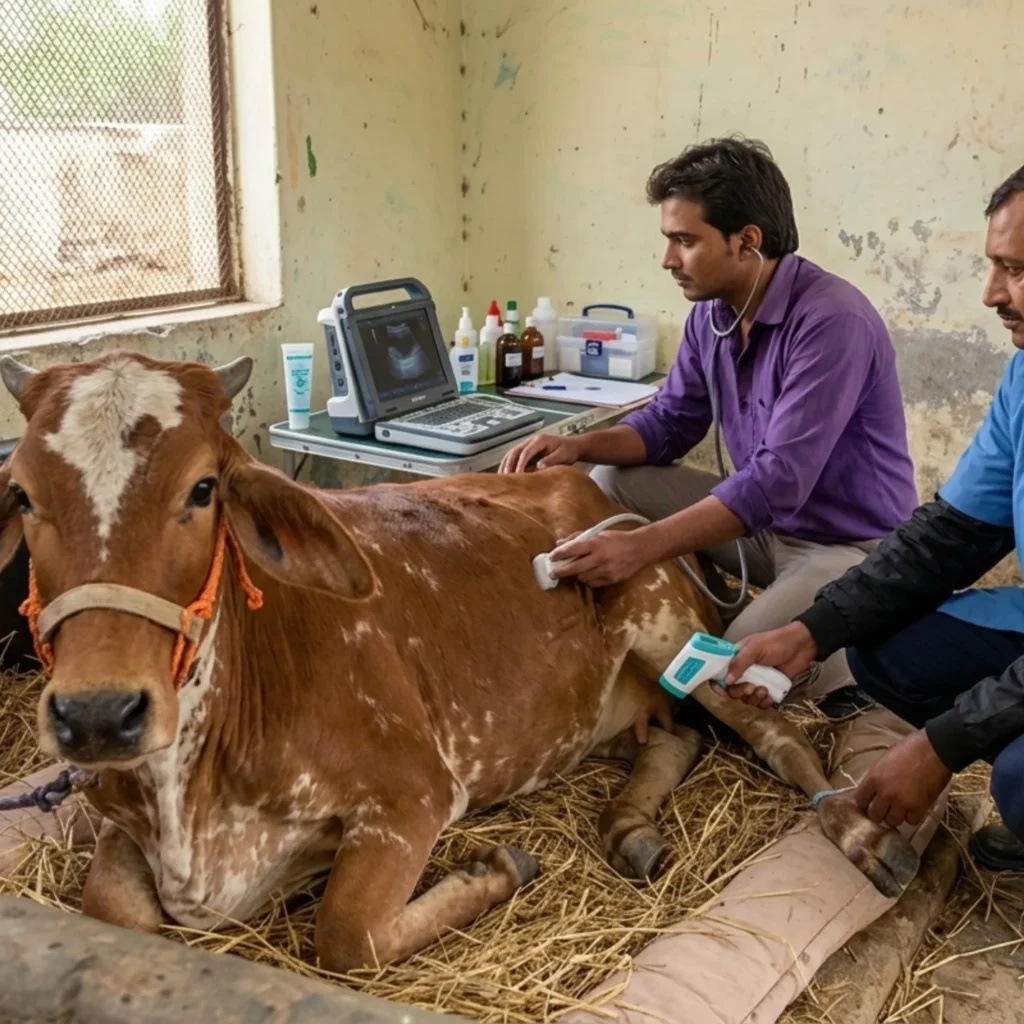
Through its initiatives, NIRPHAD has consistently ensured that rural communities are able to access regular veterinary care. Vaccinations against life-threatening diseases such as Hemorrhagic Septicemia and Foot & Mouth Disease are carried out to safeguard animals from epidemics that could devastate families. Demonstrations and training sessions are organized to teach farmers better practices in livestock management, while local stockmen have been trained to provide veterinary support at the village level. This community-based approach has created sustainable systems where families no longer depend solely on external help but can take better care of their animals themselves.
To further strengthen rural livelihoods, NIRPHAD has supported poor families in accessing loans for buying cattle. With additional support and subsidies, marginalized communities such as small farmers, widows, and landless laborers have been able to purchase livestock and improve their household income. The program has also pioneered artificial insemination services through the introduction of frozen semen technology in the region, ensuring stronger and healthier cattle breeds. Alongside this, sterilization, castration, and pregnancy testing are provided to improve the overall productivity and health of animals.
A particularly innovative initiative has been the “Pass on the Gift” scheme, where families are supported with livestock such as goats, sheep, pigs, or poultry and, in turn, are encouraged to share the offspring with other needy families. This creates a chain of empowerment and solidarity within the community, multiplying the benefits and ensuring that opportunities reach more households. Although some ventures like poultry farming have faced challenges due to high feed costs and lack of economic support, the program has demonstrated that with proper training and care, livestock can become a reliable and sustainable source of livelihood for the rural poor.
For NIRPHAD, animal husbandry is not just about improving the health of livestock; it is about transforming rural lives. By combining veterinary care, improved breeds, financial inclusion, and community participation, the program strengthens food security, enhances income, and gives rural families the resilience to face challenges with dignity and hope.